Industrial Coatings
& Blasting
Comprehensive solutions for all kind of industries fullfiling all our clients needs

Industrial Coating Application
Industrial coating systems for steel structures, tanks, piping, machinery, and production environments. Each project starts with the right surface preparation, followed by primer and coating application according to the required specification. The goal is durable protection against corrosion, wear, chemicals, and demanding site conditions.
More about industrial paintingKey Benefits
Durable asset protection, improved resistance to corrosion and wear, cleaner and more consistent finish, support for long-term maintenance planning, and coating systems applied in line with project requirements.
Process Overview
Surface assessment, preparation by blasting or cleaning, primer application, intermediate coats where required, final coating application, and quality checks such as film thickness, adhesion, curing, and visual inspection.
Target Industries
Petrochemical, marine, food & beverage, pharmaceutical, automotive, manufacturing, mining, water treatment.

Abrasive Blasting & Surface Preparation
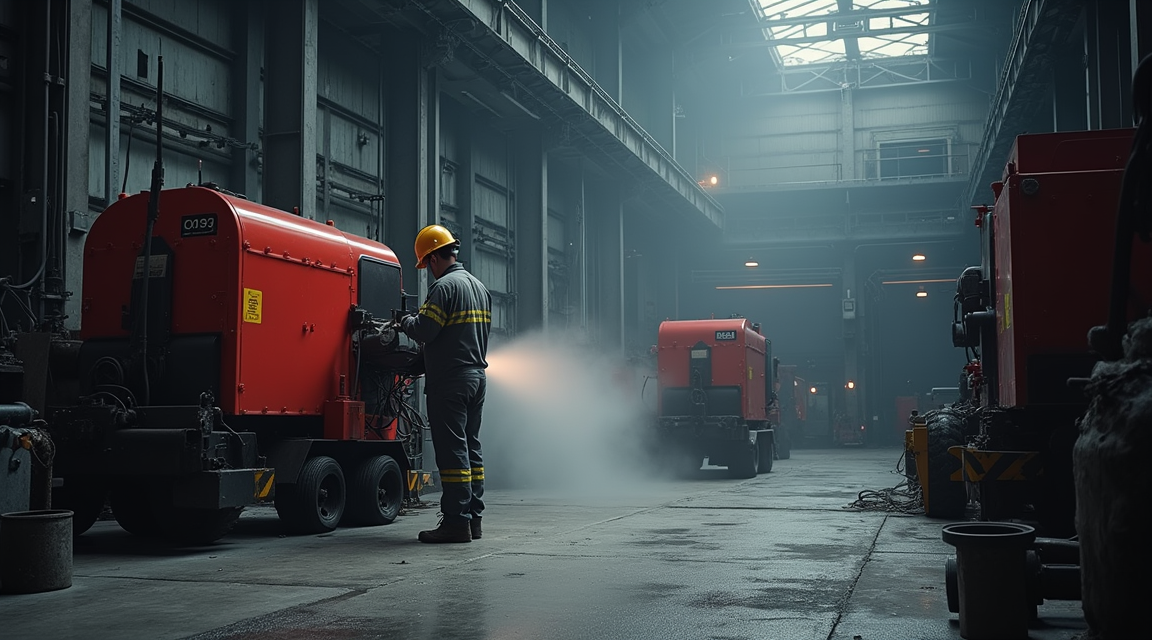
Abrasive blasting is used to prepare steel and other industrial surfaces before coating, repair, or inspection. By removing rust, old coatings, scale, and surface contamination, the process creates the correct surface profile for strong coating adhesion and a longer-lasting finish.
Key Benefits
Removes rust, scale, and old coating layers; improves coating adhesion; prepares surfaces for inspection or repair; and creates a clean, consistent profile before protective systems are applied.
Process Overview
Initial surface assessment, masking of sensitive areas, selection of the appropriate abrasive and pressure, controlled blasting to the required profile, dust and residue removal, and final surface inspection before coating.
Target Industries
Oil & gas, marine, manufacturing, construction, infrastructure, chemical processing, power generation.

Corrosion Protection
Corrosion protection focuses on preventing deterioration of steel, tanks, piping, and industrial structures exposed to moisture, chemicals, weather, or aggressive operating conditions. Depending on the environment, the work may include surface preparation, protective coating systems, linings, wraps, or targeted repair solutions.
Key Benefits
Helps reduce corrosion damage, supports asset reliability, extends the service life of steel surfaces, limits the need for premature repairs, and improves protection in demanding industrial environments.
Process Overview
Inspection of the affected surface, assessment of corrosion type and severity, preparation of the substrate, application of the selected protection system, and final checks to confirm coverage, adhesion, and finish quality.
Target Industries
Oil & gas pipelines, marine vessels, chemical storage, wastewater treatment, infrastructure, mining.

Coating Inspection & Quality Control
Coating inspection helps confirm that surface preparation and coating application meet the required project specification. Checks can be carried out before, during, and after application to verify surface condition, coating thickness, adhesion, curing, and overall finish quality.
Key Benefits
Supports consistent coating quality, helps identify issues before handover, reduces the risk of premature coating failure, provides clear project documentation, and gives clients better control over the finished result.
Process Overview
Review of coating specifications, inspection of surface preparation, in-process checks during application, dry film thickness measurement, adhesion or holiday testing where required, documentation, final inspection, and handover.
Target Industries
Oil & gas, petrochemical, marine, infrastructure, power generation, manufacturing, water treatment.

High-Pressure Water Jetting
High-pressure water jetting is used for industrial cleaning, surface preparation, and removal of deposits, coatings, or contamination. It is a controlled method suitable for tanks, pipes, concrete surfaces, floors, and production areas where water-based cleaning is preferred over abrasive methods.
Key Benefits
Effective removal of dirt, deposits, and loose material; reduced dust compared with abrasive blasting; suitable for sensitive areas when properly controlled; and useful for cleaning, preparation, and maintenance work.
Process Overview
Site preparation and safety setup, selection of the correct pressure and nozzle, controlled water jetting, collection or management of debris and wastewater where required, and post-cleaning inspection.
Target Industries
Refineries, petrochemical, marine, pulp & paper, utilities, food processing, construction, industrial facilities.

Industrial Waterproofing (Kemperol System)
Industrial waterproofing systems are used to protect concrete, steel, containment areas, bund walls, tank foundations, sumps, roofs, and other surfaces exposed to water or chemical infiltration. Kemperol liquid-applied membranes create a seamless, reinforced waterproofing layer that can adapt to complex details, joints, penetrations, and irregular surfaces.
Key Benefits
Seamless waterproof protection, strong adhesion to suitable substrates, flexible coverage around details and penetrations, resistance to standing water and weather exposure, and reliable protection for industrial environments.
Process Overview
Inspection of the substrate, cleaning and preparation of the surface, repair of damaged areas where needed, primer application, installation of the reinforced Kemperol membrane system, curing, and final inspection.
Target Industries
Oil & gas, petrochemical, tank storage terminals, chemical processing, industrial facilities, infrastructure, energy & utilities.

Fireproofing & Thermal Insulation
Fireproofing and thermal insulation systems help protect steel structures, vessels, equipment, and process areas from heat exposure and fire-related damage. Depending on the project requirements, this may include passive fire protection materials, intumescent coatings, cementitious sprays, or insulation systems for temperature control.
Key Benefits
Improved fire protection for structural and process assets, support for safety and compliance requirements, better temperature control, reduced heat loss where insulation is required, and added protection in high-risk industrial environments.
Process Overview
Review of project and fire-rating requirements, surface preparation, material selection, application by spray, trowel, wrap, or coating system, curing, thickness checks, and final inspection.
Target Industries
Oil & gas, chemical plants, commercial buildings, power generation, manufacturing, data centers.